Skip to content

Solstice!

photo

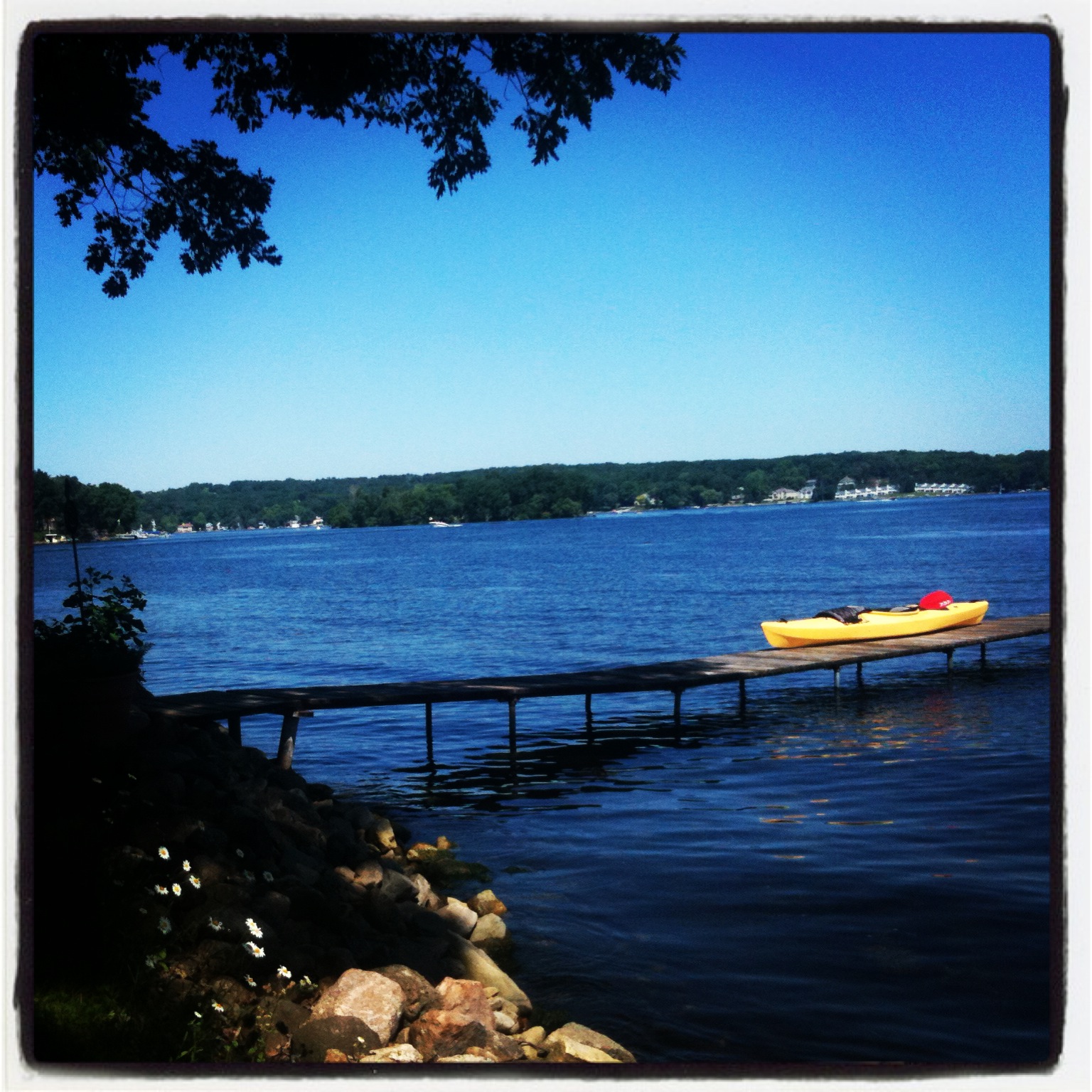
One of my very favorite days of the year — the summer solstice — began at 10pm (PDT) last night, ushering in the season of sunshine, cannonballs, fireflies, swimsuits, BBQs, skinny dipping, meals outside, nostalgia, and yes, health.  Solstice celebrations are underway around the world, as Scandinavians sing, dance, and fill their bellies with herring and vodka…Europeans host bonfires and sprint naked around town…and New Yorkers head to Times Square to bust out a few sun salutations.

Now widely known as a party holiday, in ancient times, the solstice was an essential part of well-being (associated with agriculture + growth).  I feel a sense of renewal every time the seasons change, but for me, this feeling is the strongest during the summer solstice when the sunshine on my back gives me a sense of optimism and hope and excitement and even peace.  These quarterly milestones are a natural time to make a few commitments (some of mine include: eat dinner outside every night we can, train for and complete a half-ironman, master a forearm stand, teach the kids how to swim, rise early, get enough sleep, and make an annual summer pilgrimage to the Midwest, focus on impact at work)…if you’re into that commitment thing.

If you take a few minutes to think about your commitments today, here are a few questions to consider.  And beyond these, I’d love to hear what other questions come up with!

  • What could spice up my workout regimen?  Trying a new class?  Picking up a new sport?  Finding a training partner?  Signing up for an organized event?
  • What foods make me feel good?  Not just for a second, but for the whole day.  How can I get more of those into my diet?
  • Are there times during the day when it’s easiest for me to focus?  How can I shift my day to do the most important things then?
  • Who are the most important people in my life, and am I seeing them often enough?  If not, how can I see more of them?
  • Am I doing something every day to help another person?  If not, how can I bring more attention to this?
  • How well does my work — where I work, what I do, and who I work with — align with my life purpose/mission?  If it feels misaligned, what’s one think I can do to make a change?
  • Do I have something to look forward to during the next few months?  If not, could I get something on the calendar?
  • Where am I stuck, and how might I get UNSTUCK?

What are you doing to celebrate the solstice?  Are you committing to anything new during the season of the sun?
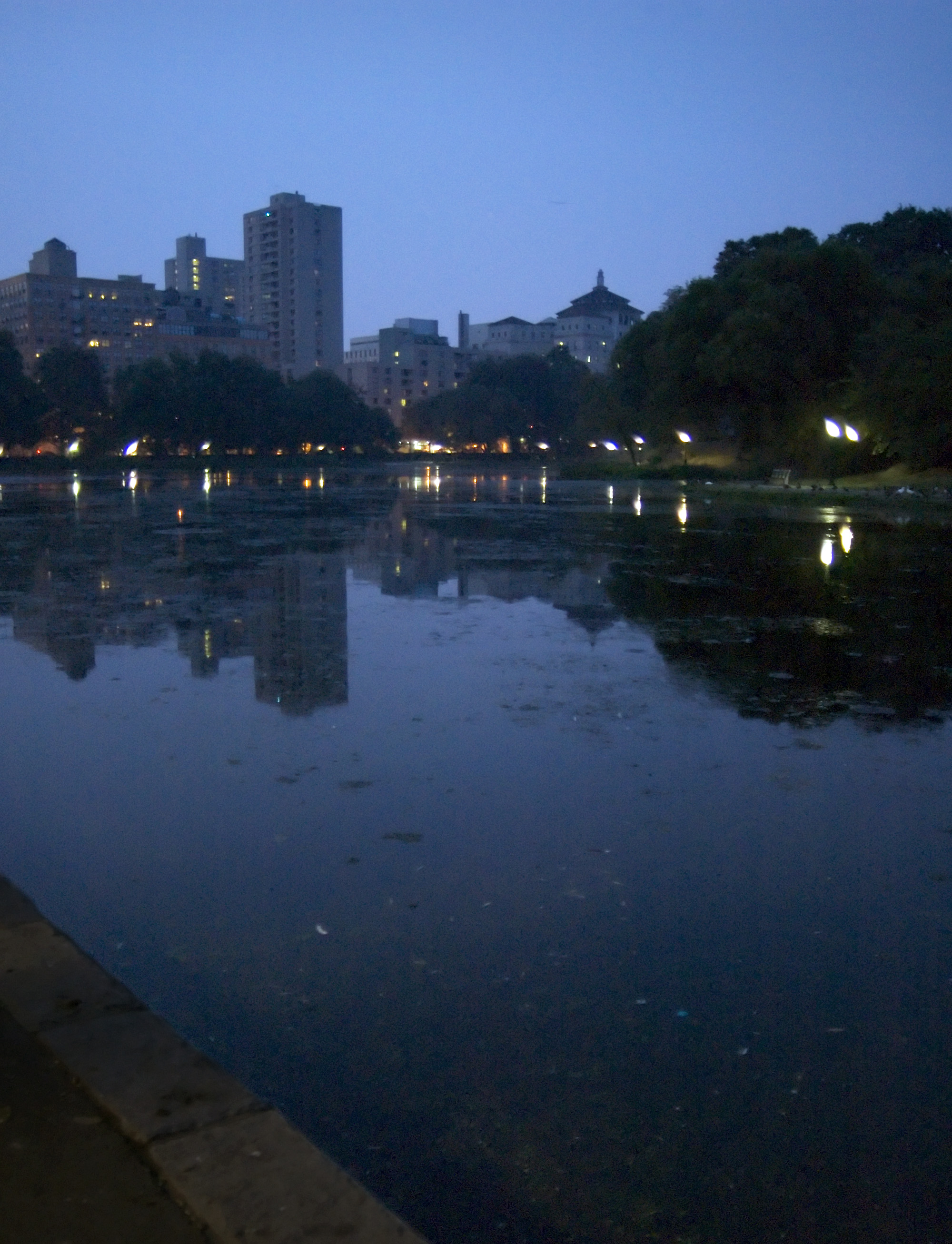
Calm Amidst the Storm

photo by: david goehring (via flickr creative commons)

photo by: david goehring (via flickr creative commons)

I came across a compilation yesterday called “The Pace of Modern Life.”  It includes excerpts from articles published between 1871-1915 lamenting feelings of continual acceleration, fears about the deterioration of play, and concerns about the dying art of conversation/long-form thought.  Sound familiar?

Swap “tweet” for “letter” in a few of these excerpts and they could have been written today.  We’re fretting about our 240-character “essays” and steady stream of photos in the same way people 100 years ago worried that the efficiency of the post was reducing the value of a thoughtful letter.  This raises the question — is this a technology issue, or simply one of the complicated realities of the human condition?  Is it about a universal truth that human beings struggle to slow down when the world around us seems to be speeding up?

There’s a lot of talk about slowing down these days (at least in the bubble we call Silicon Valley), and there are lots of questions about whether we’re heading down a road where people think in snapshots, not paragraphs and our memories live in the cloud, not in our hearts.  My answer: we need to look at our own lives, our own routines, our own values, and our own priorities in order to find the balance between the gifts technology gives us and the real-life reflection and connection we need as humans.  Each of our needs…and each of our answers will be different.  But I’d bet that slowing down might actually help most of us speed up in the grand scheme of things.

Here are a few simple ways I’m trying to find this harmony (TRYING is the operative word here):

  • Unplugged mornings (running/writing/reading in the mornings instead of typing)
  • Email “blocks” (checking email at set intervals versus constantly)
  • Walking meetings (no urge to check email/phone during the meeting if it’s not available)
  • Tech-free dates (leaving my phone in the car when I’m out with my husband)
  • “Day in review” talks with the kids (lie in bed with the kids at night at talk about their days)

What about you?  Is it hard for you to slow down amidst a fast world outside?  What helps you slow down during the day or week?

At the Core

photo by anya quinn via flickr creative commons

photo by anya quinn via flickr creative commons

Fitness magazines seem to include a piece on core strengthening exercises in every single issue.  You know the drill – a multi-page spread featuring a 20-something-year-old woman in little shorts and a high pony doing a series of exercises on a beach or next to a worldly monument or in an exotic looking grass hut.  After all, who wouldn’t want to spend their mornings doing plank pose in a little grass hut?

For those of us whose mornings look more like “get up and stumble to the coffeemaker, slurp down some coffee/check my email/start blog post/go for workout/race into shower/read books with kids/take kids to school,” there is no side plank and there is definitely no grass hut in sight.  But this doesn’t mean we don’t need to work on our core strength.  We all need a solid core in order to do everything from cleaning our houses to playing sports to having sex.  So if you’re like me, and struggle to find focused time for core work, here are three simple ways to fit it in:

  • Just stand up straight.  Seriously, just focusing on your posture can make a huge difference.  Stomach muscles pulled toward the spine and tailbone tucked under.  Yes, it’s easier than it looks.
  • Move during the day.  Pick up toys off the floor.  Reach for things on the top shelf.  Work standing up.  All of these little movements add up.
  • TRX, TRX, TRX.  TRX is an amazing tool that works your abs while you work other muscle groups.  It’s a great way to work your core while you work other muscle groups at the same time.

If you still need convincing that core strength matters, check out this article from Harvard’s Healthbeat newsletter.  And if you’re a runner, here’s some great advice about core workouts for running.  Oh, and if you can figure out how to make that grass hut thing work on a regular basis, please let me know how.

How do you keep your core strong?  And how has having a strong core helped you in your workouts and in your life?

Personalizing Your Health

exercise

I recently learned about WellnessFX, a San Francisco based start-up focused on “bringing personalized health data directly to the hands of consumers, conveniently and superbly.”  Testing cholesterol, thyroid function, liver + kidney health, nutrition + electrolytes, basic inflammation, performance hormones, and metabolic hormones — and then helping you interpret your personalized data — WellnessFX ambitiously sets out to empower people with actionable insights they can use to improve their health.   Pricing ranges from $29 – $529, depending on what you’re having tested.  I’m intrigued enough to give this a shot; if you’ve by chance had a WellnessFX screening, I’d love to hear your thoughts about whether it added value and which package to choose.  And stay tuned for a future post once I’ve had the screening done.

In the meantime, I thought I’d share something I came across as I was exploring the company.  They created a free e-book called “10 Small Steps to Wellness.”  The ten they chose are interesting — I love some of them (#s 2, 3, 5, 6, 7), but I think a few of them would be far from my personal top 10 small steps (i.e., I’d never bring weights on a business trip…I think a bit of dirt is good for you….I’m not sold that supplements are necessary/good for you…and I think I’d argue to flat out eliminate heavy drinking, versus just drink water to compensate).  Nonetheless, seeing someone else’s list is always a great catalyst to think about what might be on yours.  Here’s the list from WellnessFX:

  1. Keep out harmful pathogens: practice good hygiene. SAMPLE COMMITMENT: For one month I will wash my hands whenever possible before and after social events, meals, and taking public transportation.
  2. Get some Z’s.  SAMPLE COMMITMENT: For two weeks I will go to bed and get up at the same time everyday
  3. Simple carbs (sugars) lower the immune system: avoid them!  SAMPLE COMMITMENT: For one week I will avoid sugary foods or processed foods and replace them with whole, natural foods.
  4. Don’t forget the supplements.  SAMPLE COMMITMENT: For one month I will make a supplement plan and stick to it – even if I’m traveling!
  5. Relax, relax, relax.  SAMPLE COMMITMENT: For one week I will take 10 minutes to myself every day to clear my mind – no computer or phone allowed!
  6. Workout hard, not long.  SAMPLE COMMITMENT: For one month I will dedicate my workouts to shorter, more intense intervals.
  7. Include the family.  SAMPLE COMMITMENT: For one month I will be active with others.
  8. Add some pounds.  SAMPLE COMMITMENT: For the next three trips longer than three days, I will bring my own weights – and use them!
  9. Keep your metabolism amped.  SAMPLE COMMITMENT: For one month I will prepare my own meals ahead of time, pack snacks, and take healthy options to potlucks.
  10. Be wary of alcohol.  SAMPLE COMMITMENT: For one month, when doing heavy drinking, I will have one glass of water for every glass of alcohol.

What’s in your top 10 that’s not included in this list?  And if you’d like to write your own wellfesto (a collection of your commitments), please send it my way, and I’ll beautify it and post it!

Grains of the Gods

via mark bittman

via mark bittman

Mark Bittman posted a graphic last week that I loved, for both its beauty and its simplicity.  I love grain salads in the summertime — they’re easy to make ahead of time for a BBQ, they keep well in the fridge, and they’re amazing 1-dish meals that leave you satisfied but not stuffed.  Inspired after seeing this image, I made a favorite recipe for dinner last night.  The core grain is farro, a wheat most commonly grown in Italy.  With a chewy texture and rich, nutty flavor, it’s distinct, crave-worthy, and our kids even eat it!  Here’s my go-to recipe:

  • 1-2 cups of farro (boiled and drained)
  • Blanched asparagus + snow peas
  • Halved cherry tomatoes (we plucked ours from the garden — whoo hoooo)
  • 2-3 Tablespoons of chopped dill
  • Dressing (1/2 C olive oil + 1/4 C balsamic + salt + pepper)
  • Feta cheese to taste

What’s your favorite grain-based salad (if you’re a grain eater)?  And if you don’t eat grains, why not?

Fleeting Perspective

Perspective

I heard an NPR segment earlier this week featuring Suleika Jaouad, the author of the New York Times Well blog column, “Life Interrupted.”  Two years ago, at the age of 22, Suleika was diagnosed with acute myeloid leukemia; she is now cancer free.  In the segment (you can read the transcript here), she talks about how it feels to “re-start” her life…or as she calls it, her “new different” (versus “new normal”).  One quote really stuck out as I listened to her interview:

I’ll never go so far to call cancer a gift. It’s a really terrible disease. But like any life-interrupted moment, there are silver linings. And I feel like in the past year, for the first time – I like this expression – that I’ve been able to make my mess my message. And I’ve taken a lot of joy in that. I feel like I have a better sense of who I am and who I want to be and what’s important to me. And I’m very grateful to have that newfound awareness now.  I feel incredibly appreciative of my friends and my family. I try very hard to find meaning in the work that I do. And that emphasis and finding purpose has made me a happier person, I think, overall.

Stories like Suleika’s abound…people going through an intense experience that changes the way they think about their life…about life in general.  Every time I come across one of those stories, or see someone or something that puts life into perspective, I’m overcome with a deeper sense of awareness and gratitude for all the good and all the challenges life brings along…for all the screaming moments and all the chubby-handed hugs…for the fog and the sunshine…for the slow runs and the faster ones…for the easy conversations and the tough ones…for all of it.

But all too often, this feeling is fleeting – giving way to sweating the small stuff and taking things for granted.  As I think about this, I’d love any ideas about what helps you keep an eye on the big picture…

What helps you keep things in perspective?  Do you have any daily practices that help you remember that everything we experience in life is relative?

If Our Daily Lives Were More Like Summer Camp…

…we’d bond more quickly and more deeply.

…we’d make new friends + treasure the old.

…exercise would be a lifestyle, not a scheduled activity.

…we’d sing more often and not worry about being out of tune.

…meals wouldn’t be eaten alone.

…we’d write and read more letters.

…the sun would warm our backs.

…even the fiercest competition would still be friendly.

…we’d be ourselves.

…money wouldn’t cross our minds.

…we’d make stuff.

…we’d notice the stars in the sky.

…giving and getting “warm fuzzies” would happen every day.

…we’d hug more.

…we’d sleep soundly through the night.

…we’d look up, and laugh, and love, and lift.

What’s one thing you can do to make tomorrow feel a little more like summer camp?  Tis the season…


Photo by Natalie Lucier, via Flickr Creative Commons.

Girl Meets Cheese

photo by quinn.anya, via flickr creative commons

photo by quinn.anya, via flickr creative commons

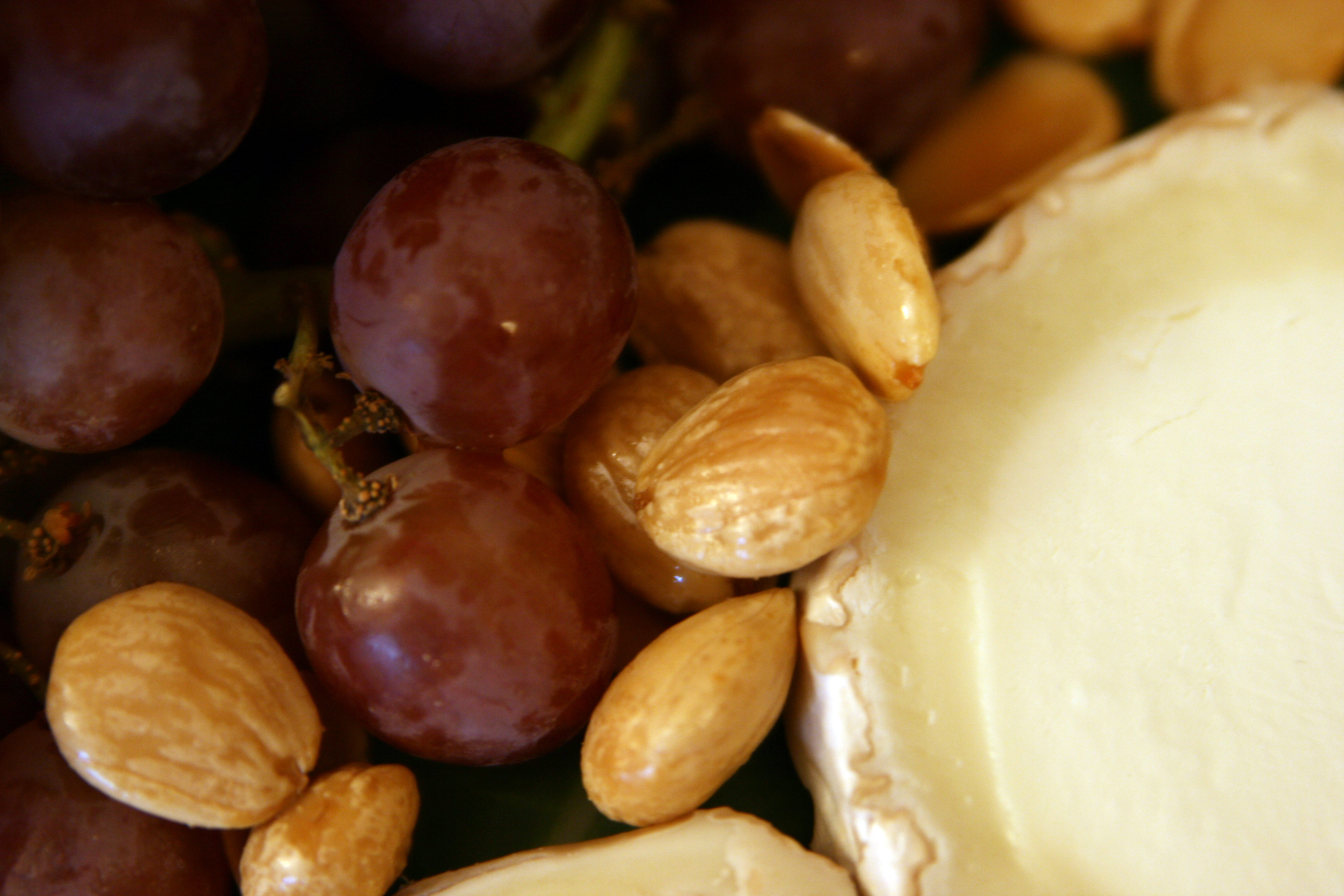
Some friends invited us to join them for a special event at the San Francisco Cheese School last night: a Wisconsin versus California face-off (IRRESISTABLE).  There were four rounds (all paired with beer, of course), and each one included two pieces of cheese – one from Wisconsin and one from California.  It was up to us – a mighty crowd of 26 – to decide which state produces the very best cheese.

The cheese was totally delicious…but what I want to note in this post (since waxing poetic about cheese and beer is a weird thing to do on blog about well-being) is how amazing it was to LEARN ABOUT SOMETHING NEW.  As grown ups (well, at least in my experience as a grown up), it’s so easy to get stuck in the ruts of daily life and forget that there are whole worlds out there waiting to be discovered.  Last night we learned about a world in which people spend a lifetime perfecting recipes and adjusting temperatures and caring for their herds…a world in which a Wisconsin cheesemaker only goes into his cave NAKED for fear of contaminating the aging cheese…and a world where a guy who believed in the power of cooperative grocery stores grew into a famous cheese dude.

Absent of phones and computers, and surrounded by tastes, smells and sounds that kept us in the moment, my brains was able to focus last night, and I settled into the cheesemonger’s rich stories the way I remember sinking into the chapter books my parents used to read…and the way my own kids settle into the stories we read today.  This event was a great reminder of the value of shifting away from our normal rhythms and the power of opening our minds to new and foreign ideas.  Just as we need to mix up our physical workouts, we need to mix up what we put into our brains….and how it gets there.  As someone who finds the physical challenges more natural to take on than the mental ones, this was two hours well spent.  I left with an inspired mind…and yes…a full tummy too.

And for the record, according to my palate, Wisconsin won.  Here were my favorite cheeses in each flight:

  • Bleu Mont Dairy Cheddar (Wisconsin)
  • Dante Sheep’s Milk Cheese, produced by Wisconsin Sheep Dairy Co-op (Wisconsin)
  • Cowgirl Creamery Red Hawk (California)
  • Roelli Cheese Dunbarton Blue (Wisconsin)

When was the last time you learned something new?  What did you learn, and how did it feel?

Healing Hands

massage

Massage has been around for thousands of years — in fact, drawings in the Egyptian Tomb of Akmanthor dating back to BC 2330 depict two men having massage work done on their hands and feet.  But it took until the mid-19th century for it to become popular in the U.S. (early practice was based on learnings from a Swedish physician), and interestingly, massage wasn’t formally included as a medical offering for U.S. Olympic athletes until the 1996 Olympic Games in Atlanta.

And even today, massage (at least “medical massage”) isn’t totally mainstream.  Despite having a Canadian husband who grew up thinking massage was a normal part of preventive health — especially for athletes — I often find myself avoiding it…telling myself it’s too expensive, too luxurious, too selfish, and resorting to it only after an ugly and painful problem has arisen.  I’ve been thinking about this lately because I’ve “resorted” to having some work done both in the clinic and on my own (using a foam roller) to deal with some nagging tendon issues (peroneal + achilles).  It’s amazing and has already made a big difference in terms of my muscle tension and tendon stress.  And beyond the muscle benefits, any medical site will tell you that massage can help with anxiety, digestive disorders, fertility, fibromyalgia, headaches, insomnia, nerve pain,  joint pain, and stress.

So if you don’t get regular massage, take a minute to think about whether it might be something you want to include as part of your broader commitment to well-being.  To help answer the most basic questions, here’s a bit of advice from my cousin, Sarah Wilkinson, a massage therapist and owner of Take Time for Yourself Massage in Minneapolis:

  • How often do people need to get massage to experience the benefits?  Everyone is different, and the answer to this questions really depends on each person’s own personal situation and what they are trying to accomplish.  Someone in pain — for example jaw pain or hip pain — may come weekly for a month in order to relieve the pain; whereas someone working with stress relief may come bi-weekly or monthly.
  • What’s the most important question for people to ask if they’re looking for a massage therapist?  A therapist/client relationship is like any other one — people need to be able to communicate with each other comfortably.  The intimacy of massage means that personal referrals/word-of-mouth often work best.  Once you choose someone to work with, there are a few important things to be clear about early: how much pressure you like, whether you like to talk during your sessions ,whether you like music, etc.
  • Any specific advice for athletes?  It’s important for athletes to see a massage therapist familiar with their sport and muscle groups used.  I see a lot of bikers and runners, so I’m very very familiar with the leg muscles and gluteus.  For athletes, massage is a great way to help maintain their bodies so they can continue doing what they love.
  • What do you love about being a massage therapist?  I love having a “job” that shifts people into a better state of being.  I really enjoy the trust people have during their sacred time with me to just be who they are and talk about issues that are troubling them.  One of my clients always tells me she does her best thinking on my table.  I have the honor of working with many women on their journey to motherhood, which can be a hard time for some.  Helping them is one of my favorite parts of my work.  There is nothing better.

So, in Sarah’s words, think about taking some time for yourself this month (and if you’re in Minneapolis, you should go see her)!

Do you think of massage as a luxury, or core to getting and staying well?  If you get massage, what do you love about it?  And if you don’t, why not? 

Weekend Reflection: Five Things That Stuck Out

reflection

Life is full of transitions — big ones like getting married or having a child or starting a new job, and small ones like watching day turn into night and shifting from weekend to work week.  These transitions are a great time to reflect — even if just for a few minutes — on what’s going well and what’s not.  They’re a good time to check in about whether we’re rested or tired…energized or ambivalent…taking care of ourselves or not…and prioritizing the things that matter most.  I consciously thought about these things for a few minutes as I drove to work this morning, taking stock of how the weekend went and what intentions I want to set for the week ahead.  Here are some reminders I’m holding onto as the work week begins…

EXERCISE

Little Eyes Are Watching: Our 2-yr-old daughter was busily working on her own in the kitchen yesterday.  I assumed she was “cooking” something in her play kitchen until she told me it was time to begin “spin class.”  She told me she had water and pistachios ready in case we got hungry and thirsty, and she was ready to turn up the music and SPIN (note: she has never been to a spin class…she’s only heard me saying that I’m going to one…so her version of spin class was literally SPINNING, until I was sick and dizzy and ready to fall down).  The point here is: as parents and as people…we don’t always realize how our behavior is impacting the people around us.  If I had spent the weekend watching TV, my daughter likely would have organized a Downton Abbey marathon…not a spin class.  Health begets health….something I posted about a few weeks ago in Cheering Us On.

FOOD

Deliciousness Can Be Easy: My mother-in-law was visiting this weekend, and she’s a great cook.  What I love about her cooking sensibility is that she focuses on simplicity, and she proves that great cooking doesn’t need to be complicated.  She made a beautifully seared prime rib, roasted potatoes and spinach and mango salad with seemingly minimal effort.  No recipes required.  I covered this idea of simple meals in an earlier post — 3-Ingredient Meals — and I love seeing it in practice.  It’s a great reminder that time need not be a barrier to healthy + yummy cooking.

MIND

Technology is Complicated: If you missed it, this New York Times essay, “How Not to be Alone” is thought-provoking as we think about the role technology plays in our lives and how it can shape our behavior.  Here’s a teaser that might make you want to take five minutes to read this: “I worry that the closer the world gets to our fingertips, the further it gets from our hearts.”  If you’re interested in the conversation about technology and well-being, here’s an earlier post about the power of unplugging.

RELATIONSHIPS

Make New Friends, but Keep the Old: We spent time with three different out of town guests over the weekend (mother-in-law, old friend from Wisconsin, and old friend from Calgary), and I was reminded how important it is to invest in lifelong relationships.  I know it’s cheesy, but I’ve always loved the piece about friends in that famous Baz Luhrmann “Sunscreen” poem/song: “Understand that friends come and go,but for the precious few you should hold on. Work hard to bridge the gaps in geography and lifestyle because the older you get, the more you need the people you knew when you were young.”  Both new and old friends add huge value to our lives…and seeing old ones face-to-face is an important reminder that we need both.

PURPOSE

The Power of Focus: I don’t have any weekend revelations about purpose to share — after all, it was just a weekend!  But I did do a bit of thinking about focus.  We went to a park Saturday that’s famous for kite-flying, and I loved getting lost in the moment while watching the colorful kits swirling in the air (similar to the Hockey Moments I covered a while ago).  Our lives have the potential to be totally absorbed by distraction, making focus elusive.  Jonathan Safran Foer quotes Simone Weil in the loneliness essay I mentioned above: “Attention is the rarest and purest form of generosity.”  This is so true…generosity to others…and to ourselves.  This leads to my intention for this week…FOCUS.  Less email, more making stuff.  Less breadth, more depth.  Less interruption, more impact.


What’s your intention for the week?  And does it stem from something you did, read, heard, or realized this weekend?

Alphabet Scramble

Learning from parenting and life, while trying to get dinner on the table

The Lemonade Chronicles

A quixotic quest for the bright side.

mamajamas mom

don't sweat the baby stuff

The Development Sherpa

by SBK & Associates

wellfesto

hacking health, designing life

Rudeysroom

Rudey's Room

Building Customer Driven SaaS Products | Jason Evanish

Posts with strategies and tactics on building great products and how to be a better leader

The Blog of Author Tim Ferriss

Tim Ferriss is the author of five #1 New York Times bestsellers and host of The Tim Ferriss Show podcast.

Reflections Corner

hacking health, designing life

The Marginalian

Marginalia on our search for meaning.

Greater Good: Parenting & Family

hacking health, designing life